


ERP Solutions for Machine Automation Businesses
Streamline machine manufacturing, production planning, inventory, procurement, sales, and service operations with an integrated ERP solution.
Simplify complex machine automation operations with Commerce9’s ERP solutions. Manage every stage of your business, from customer enquiries and machine design to production, assembly, installation, and after-sales service, through a centralized platform.
Improve operational visibility, optimize resource utilization, reduce production delays, and deliver automation solutions more efficiently.

One Integrated ERP to Manage Your Entire Machine Automation Business
Machine automation businesses handle multiple interconnected processes, including engineering, component sourcing, production planning, machine assembly, quality inspection, and customer support. Managing these activities across disconnected systems can lead to production bottlenecks, inventory discrepancies, delayed deliveries, and increased operational costs.
Commerce9’s ERP solution brings these business processes together in one integrated system. It helps machine manufacturers and automation companies coordinate departments, track projects, manage resources, and maintain complete visibility throughout the production lifecycle.
Whether you manufacture customized machinery, industrial automation equipment, or production line systems, our ERP solution supports your business operations as you grow.

Powerful ERP Modules to Streamline Machine Automation Operations
1. Production Planning and Management
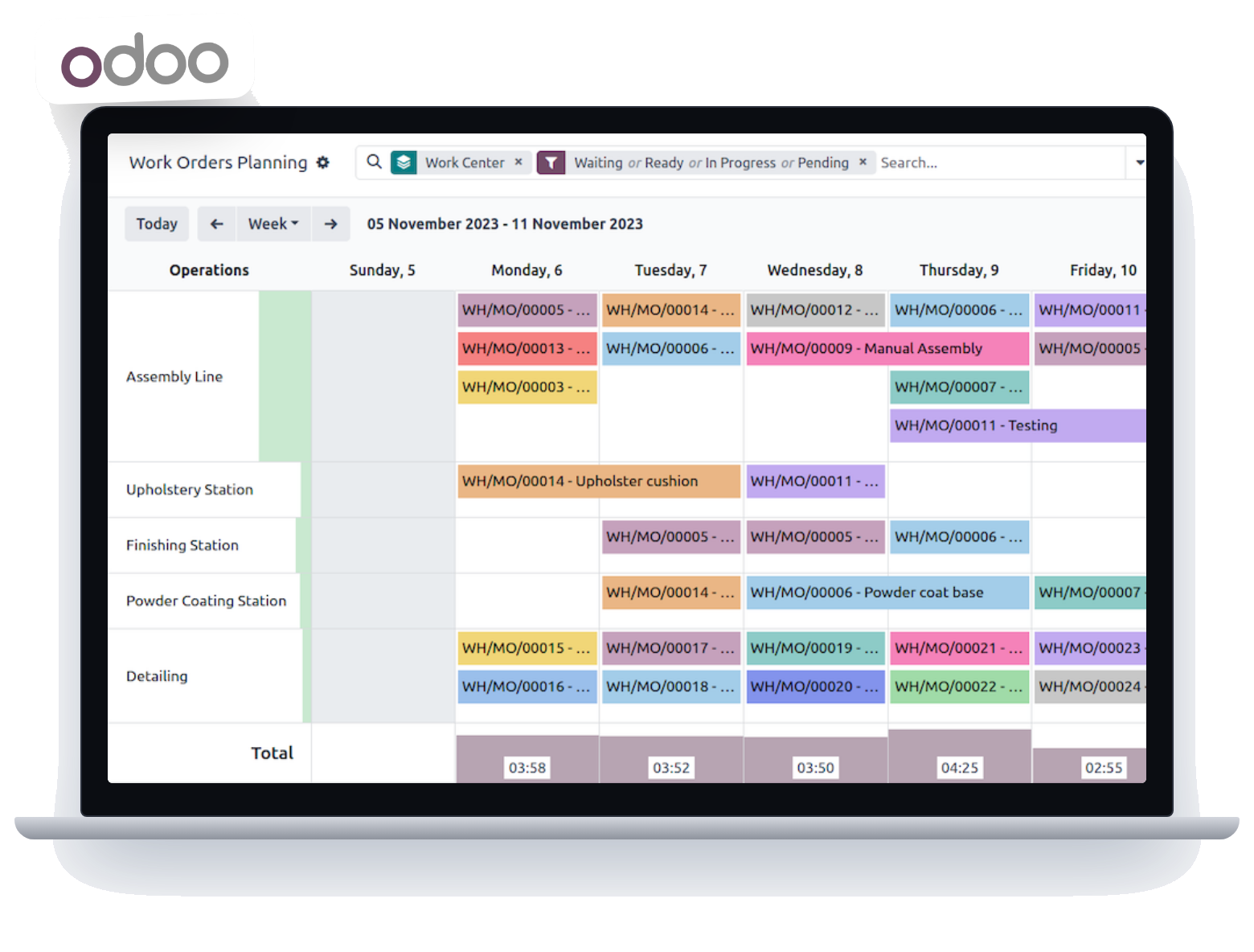
Plan, schedule, and monitor manufacturing activities from a centralized platform. Manage production orders, work orders, production stages, and resource allocation to maintain efficient workflows.
2. Bill of Materials (BOM) Management
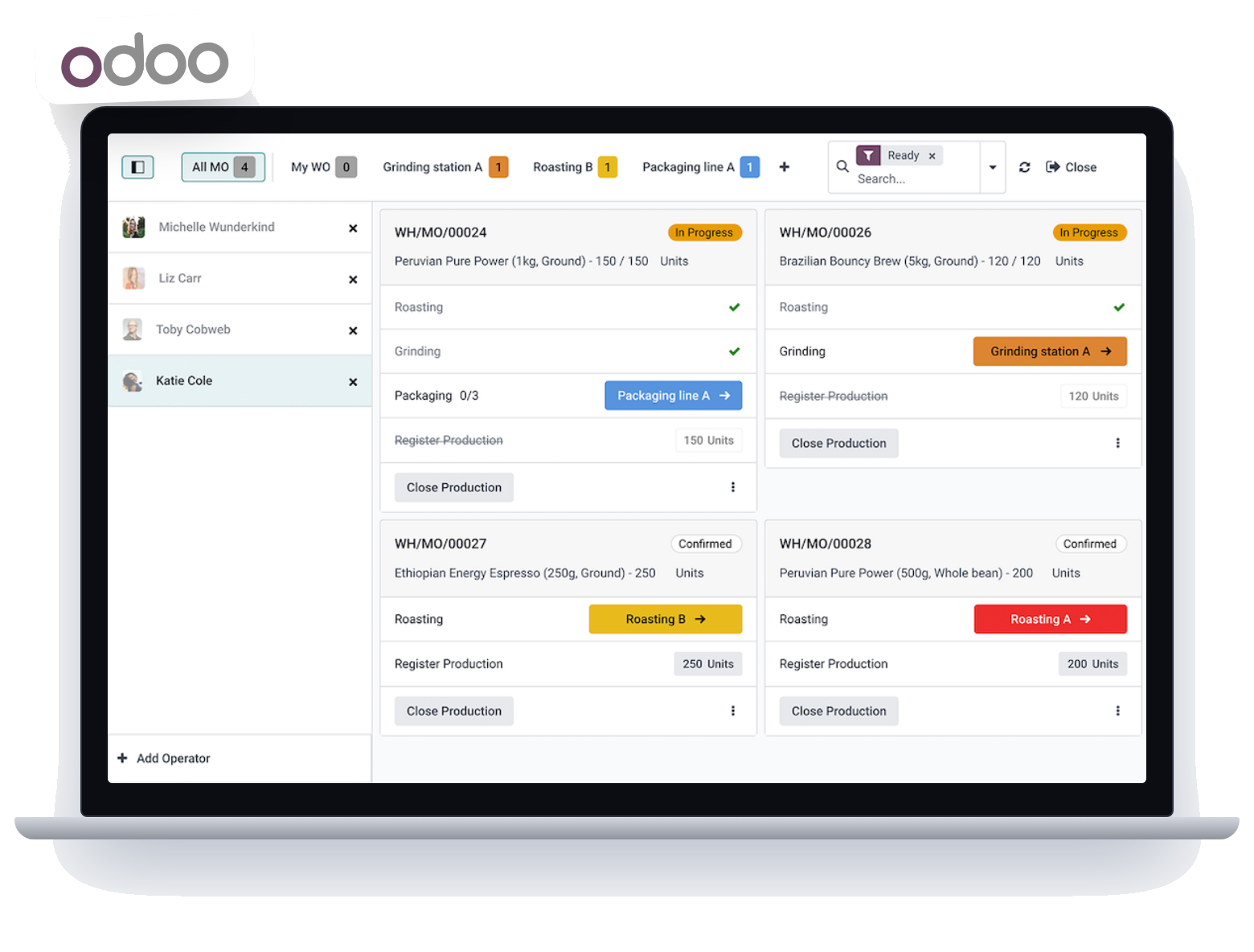
Create and manage detailed Bills of Materials for different machines and automation systems. Track raw materials, components, assemblies, and subassemblies required for each production order.
3. Inventory and Warehouse Management
Maintain accurate inventory records for mechanical components, electrical parts, spare parts, and finished machinery. Monitor stock levels, warehouse movements, material consumption, and reorder requirements.
4. Procurement and Vendor Management
Manage supplier relationships, purchase requests, quotations, purchase orders, and material receipts. Track supplier performance, purchase costs, and delivery timelines.
5. Engineering and Design Management
Organize machine specifications, technical drawings, engineering documents, and design revisions. Maintain coordination between engineering and production teams.
6. Project Management
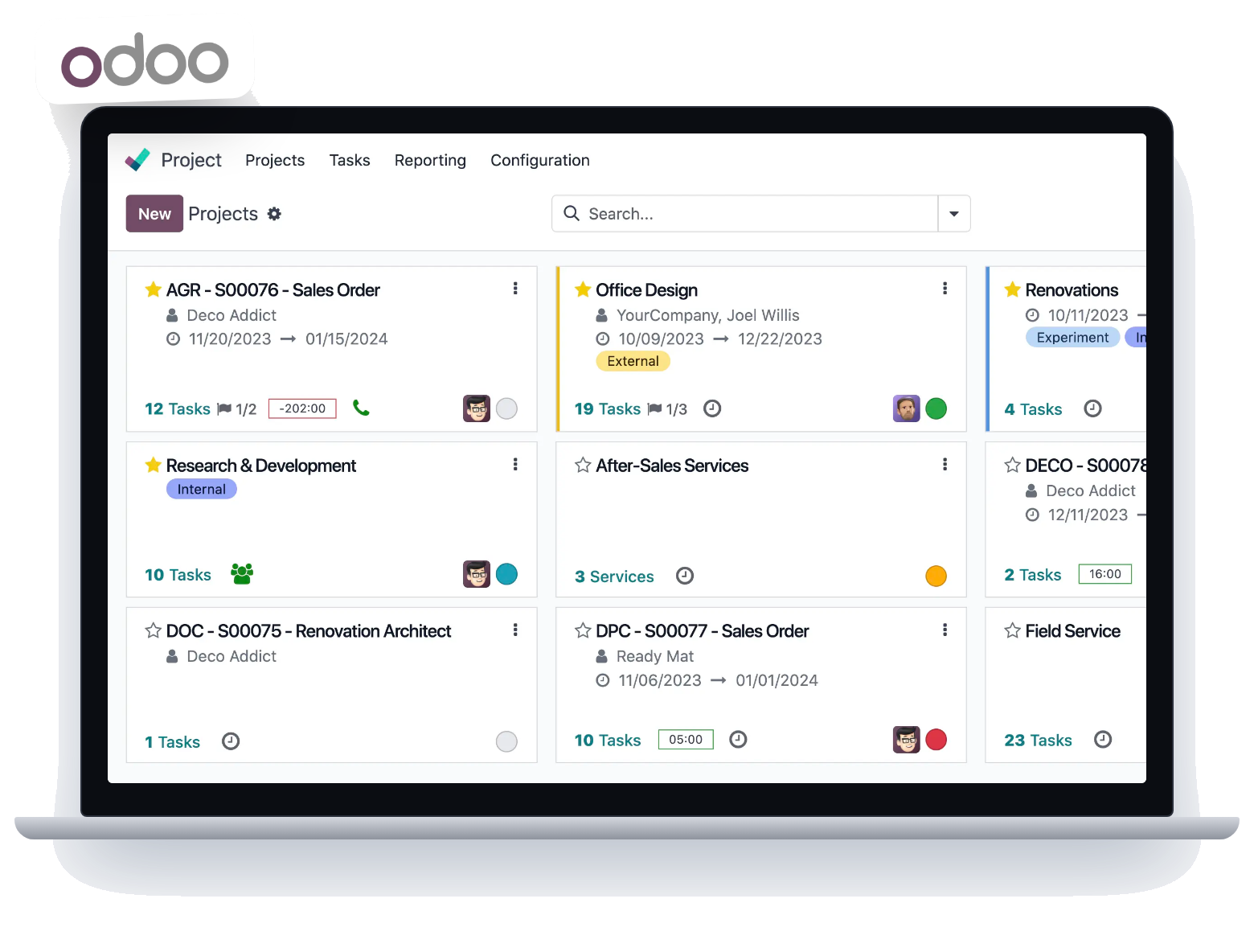
Manage customized machine manufacturing projects from initial enquiry to final delivery. Track project milestones, budgets, resource allocation, timelines, and completion status.
7. Sales and CRM Management
Manage customer enquiries, quotations, sales orders, and customer information. Track opportunities and coordinate sales activities with production and delivery teams.
8. Quality Control and Inspection
Maintain quality standards throughout manufacturing. Record inspection results, monitor defects, manage corrective actions, and track quality compliance.
9. Maintenance and Service Management
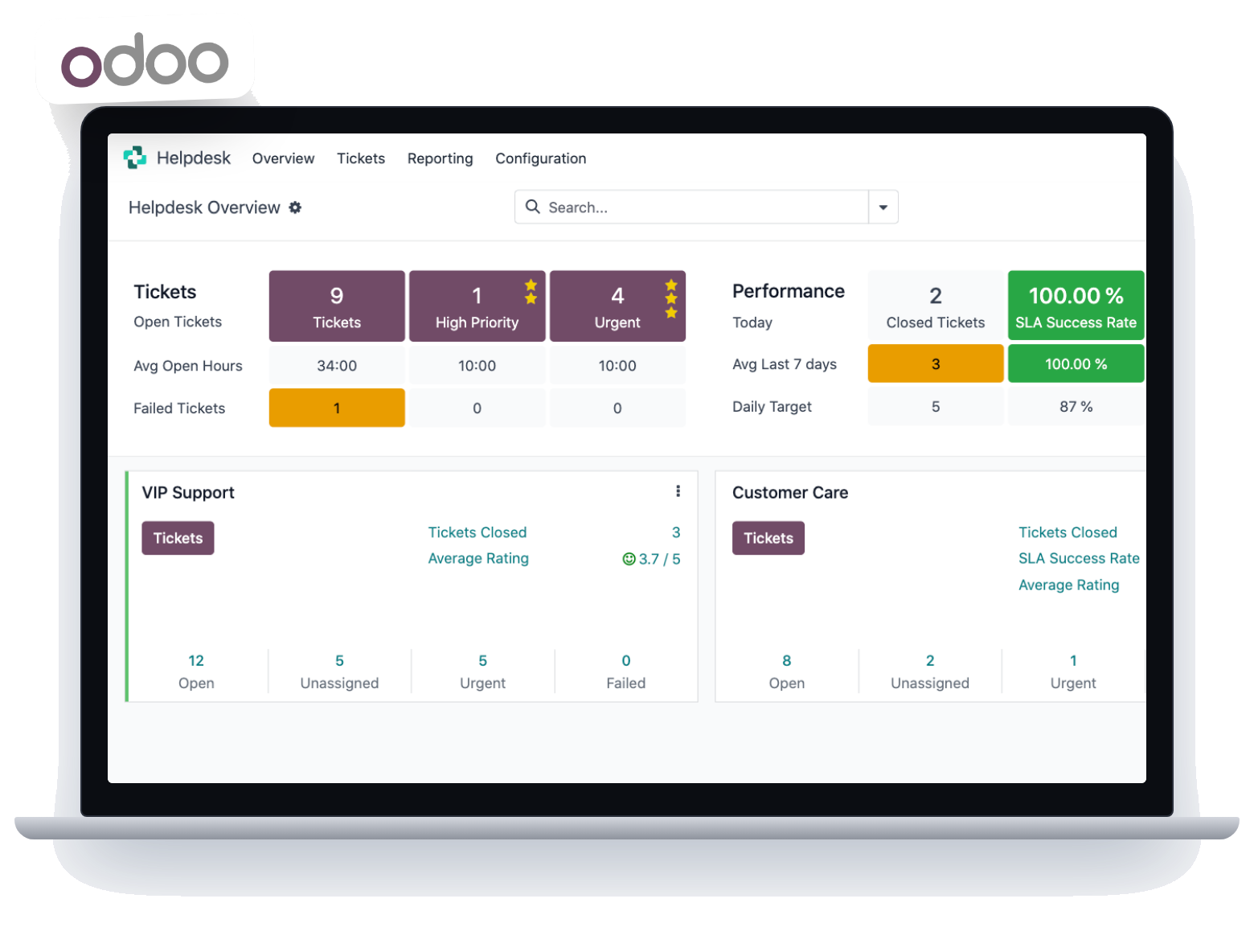
Manage preventive maintenance schedules, equipment servicing, service requests, spare parts, and customer support activities. Improve equipment reliability and after-sales service.
10. Finance and Accounting
Manage invoicing, expenses, purchase payments, customer receivables, project costing, and financial reporting. Monitor manufacturing costs and business profitability.

Overcome Common Challenges in Machine Automation Businesses
Business challenge
ERP-driven solution
Production delays
Improve production planning and scheduling.
Component shortages
Monitor inventory and material requirements.
Disconnected departments
Centralize business information and workflows.
Complex machine costing
Track material, labour, and production costs.
Supplier delivery delays
Monitor purchase orders and supplier performance.
Project tracking difficulties
Monitor milestones, budgets, and deadlines.
Quality inconsistencies
Standardize inspection and quality control.
After-sales service challenges
Manage service requests and maintenance schedules.
Transform Your Machine Automation Operations with ERP
Improved Production Efficiency
Streamline manufacturing workflows and reduce production bottlenecks.
Better Inventory Control
Maintain optimal stock levels and improve material availability.

Reduced Operational Costs
Monitor material consumption, labour costs, and production expenses.
Enhanced Project Visibility
Track customized machine manufacturing projects from start to finish.
Better Resource Utilization
Optimize workforce, machinery, and production capacity.

Improved Quality Management
Maintain consistent quality standards across manufacturing stages.
Faster Business Decisions
Access centralized reports and real-time operational insights.
Stronger Customer Relationships
Improve order tracking, delivery coordination, and after-sales support.
ERP Solutions for Different Machine Automation Businesses
Our ERP solutions can be configured to support different types of machine manufacturing and industrial automation businesses.
Industrial Machinery Manufacturers
Custom Machine Builders
Packaging Machinery Manufacturers
CNC Machine Manufacturers
Robotics and Automation Companies
Assembly Line Automation Providers
Material Handling Equipment Manufacturers
Industrial Equipment Manufacturers
Process Automation Companies
Special Purpose Machine (SPM) Manufacturers
Beyond ERP: Custom Machine Engineering and Automation Solutions
Machine automation requires more than efficient business management. It also requires machines and engineering solutions designed around specific production processes. By combining custom machine engineering with an integrated ERP system, businesses can connect machine development, production planning, procurement, inventory and project management within a more coordinated operational environment.
Key Benefits
Custom Machine Development
Develop machinery and equipment around specific manufacturing processes and operational requirements.
Connected Engineering & Production
Align machine specifications, engineering documentation, BOMs and production activities through connected workflows.
Better Resource & Material Planning
Coordinate component requirements, procurement, inventory and production resources more effectively.

Improved Project Visibility
Monitor project progress, manufacturing costs, resource utilization and delivery commitments.

Custom Machine Engineering
Production Planning
Integrated ERP
A Flexible ERP Built Around Your Machine Automation Business
Every machine automation business has unique manufacturing processes, production requirements, and operational workflows. Commerce9 provides flexible ERP solutions that can be tailored to your business structure and operational needs.
Customized Workflows
Configure ERP processes around your manufacturing operations.
Integrated Business Management
Connect production, inventory, procurement, sales, and finance.
Scalable Architecture
Support business expansion and increasing production requirements.
Centralized Data Management
Access business information through a unified platform.
Process Automation
Reduce repetitive manual tasks and improve operational coordination.
Data-Driven Insights
Make informed decisions with comprehensive reports and dashboards.
Frequently Asked Questions
1. What is ERP for machine automation?
ERP for machine automation is an integrated business management system that helps machinery manufacturers and automation companies manage production, inventory, procurement, engineering, project management, sales, and finance through a centralized platform.
2. How can ERP improve machine manufacturing operations?
ERP improves machine manufacturing by streamlining production planning, automating inventory tracking, managing procurement, monitoring production costs, and coordinating activities across different departments.
3. Can ERP manage customized machine manufacturing projects?
Yes. ERP can help manage customized manufacturing projects by tracking customer requirements, machine specifications, BOMs, project milestones, material requirements, budgets, and delivery schedules.
4. Can ERP manage BOM and component requirements?
Yes. ERP supports BOM management, allowing businesses to define raw materials, components, subassemblies, and finished products required for manufacturing different machines.
5. Can ERP manage machine maintenance and after-sales service?
Yes. ERP can manage preventive maintenance schedules, service requests, spare parts inventory, warranty information, and customer service activities.
6. Is ERP suitable for small and medium-sized machine manufacturers?
Yes. ERP solutions can be configured according to business size, operational complexity, and manufacturing requirements, making them suitable for small, medium, and large machine manufacturing businesses.
What Our Clients say.

Let’s warmly initiate our interaction!
Complete the form, and our experts will reach out to guide you in launching or enhancing your eCommerce business effectively.