
Oil & Gas ERP Solutions

ERP Software for the Oil & Gas Industry

Managing an oil and gas business involves more than tracking products and orders. From purchasing raw materials and managing storage to production, quality checks, equipment maintenance, and delivery, every process needs to work together.

When these activities are managed through separate systems or spreadsheets, it becomes difficult to keep track of costs, stock availability, ongoing work, and operational performance.

An oil and gas erp system brings these processes into one place, giving your team a clearer view of what is happening across the business.

Commerce9 implements and customizes ERP solutions around your actual workflows. Whether you manufacture lubricants, distribute petroleum products, supply marine lubricants, or manage oilfield services, we can help you identify the right ERP capabilities for your operations.

1. About ERP for Oil & Gas

One System to Manage Your Oil & Gas Business

Oil and gas businesses deal with complex supply chains, large inventories, expensive equipment, strict quality requirements, and changing customer demands. Managing all these activities efficiently requires accurate information and coordination between teams.

An oil and gas erp system connects essential business functions, including purchasing, inventory, production, maintenance, sales, and accounting. Instead of relying on separate records, your team can work with shared information and follow transactions from start to finish.

For example, a lubricant manufacturer can track raw materials received from suppliers, monitor blending and production, record quality checks, manage finished products, and process customer orders through connected workflows with ERP.

At Commerce9, we understand how your business operates before configuring the ERP system. The goal is to make daily processes easier to manage, improve visibility, and give decision-makers the information they need.

2. How ERP Helps Oil & Gas Businesses

Better Control Over Everyday Operations

Oil and gas operations often involve several teams, locations, suppliers, and business processes. An oil and gas erp system brings them together so information is not scattered across departments.

Manage purchasing more efficiently.

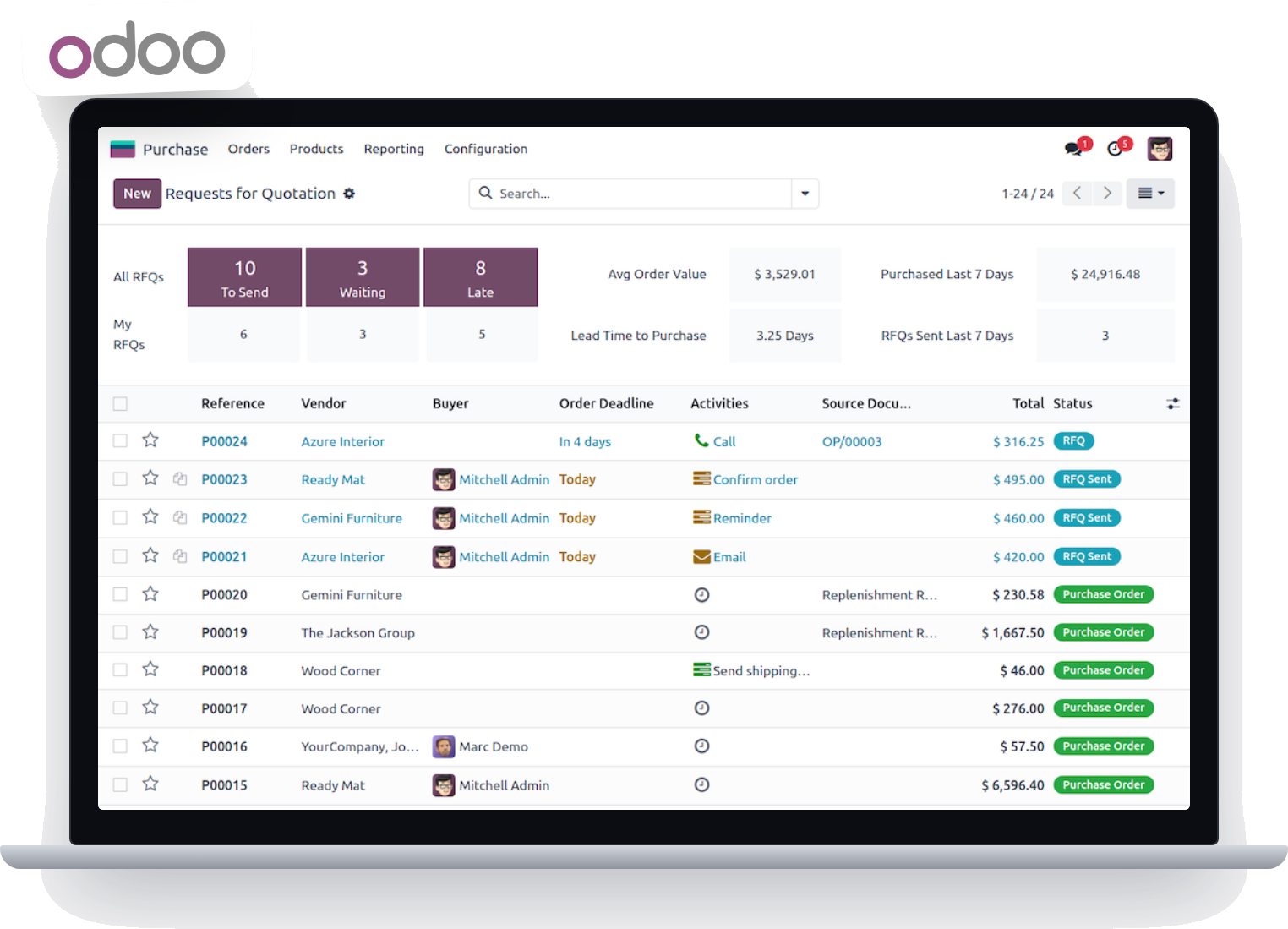
Track purchase requests, supplier quotations, purchase orders, deliveries, and outstanding purchases in one system.

Know what stock is available.

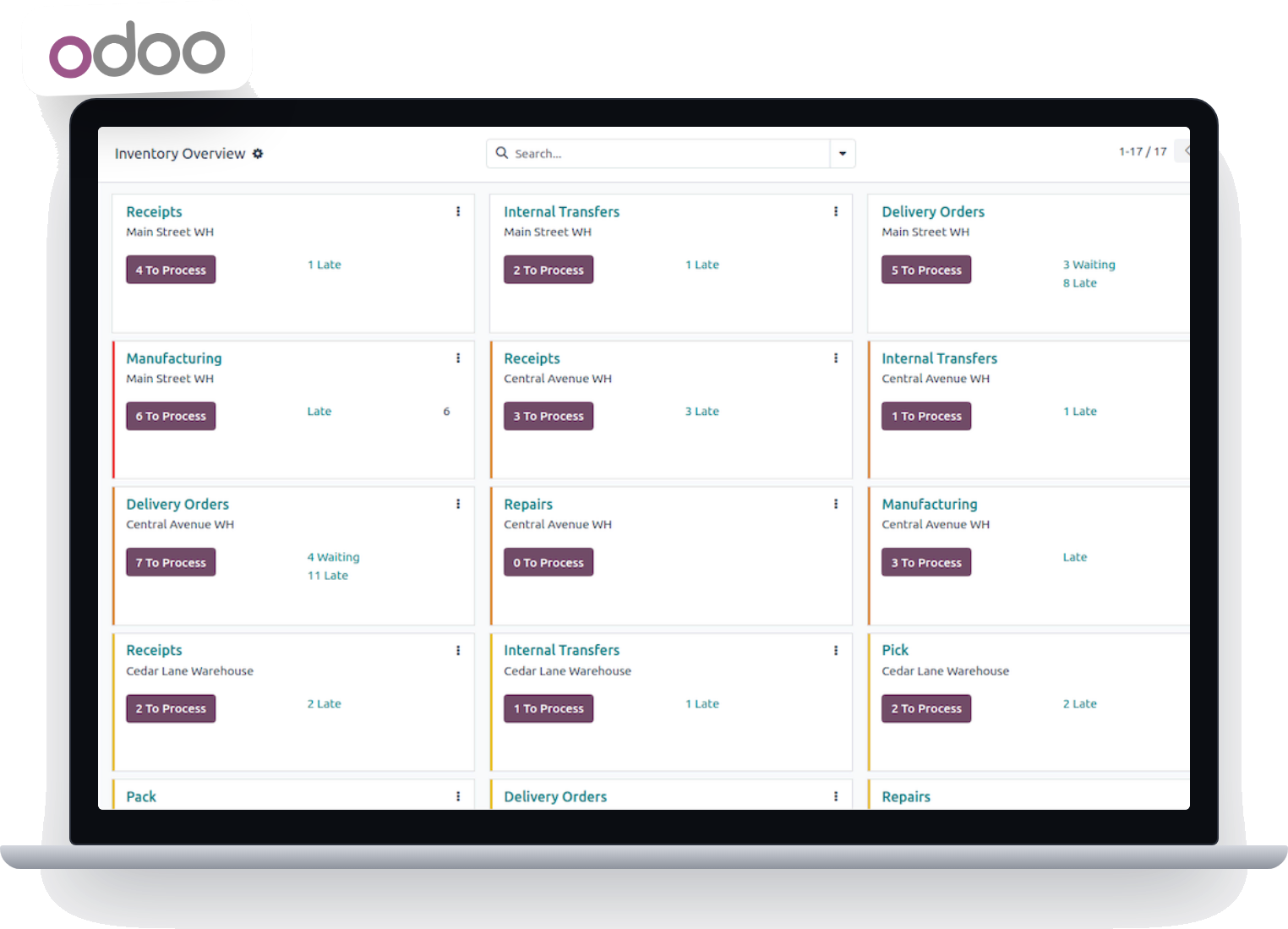
Monitor raw materials, lubricants, spare parts, consumables, and finished goods across warehouses and storage locations.

Keep production on track

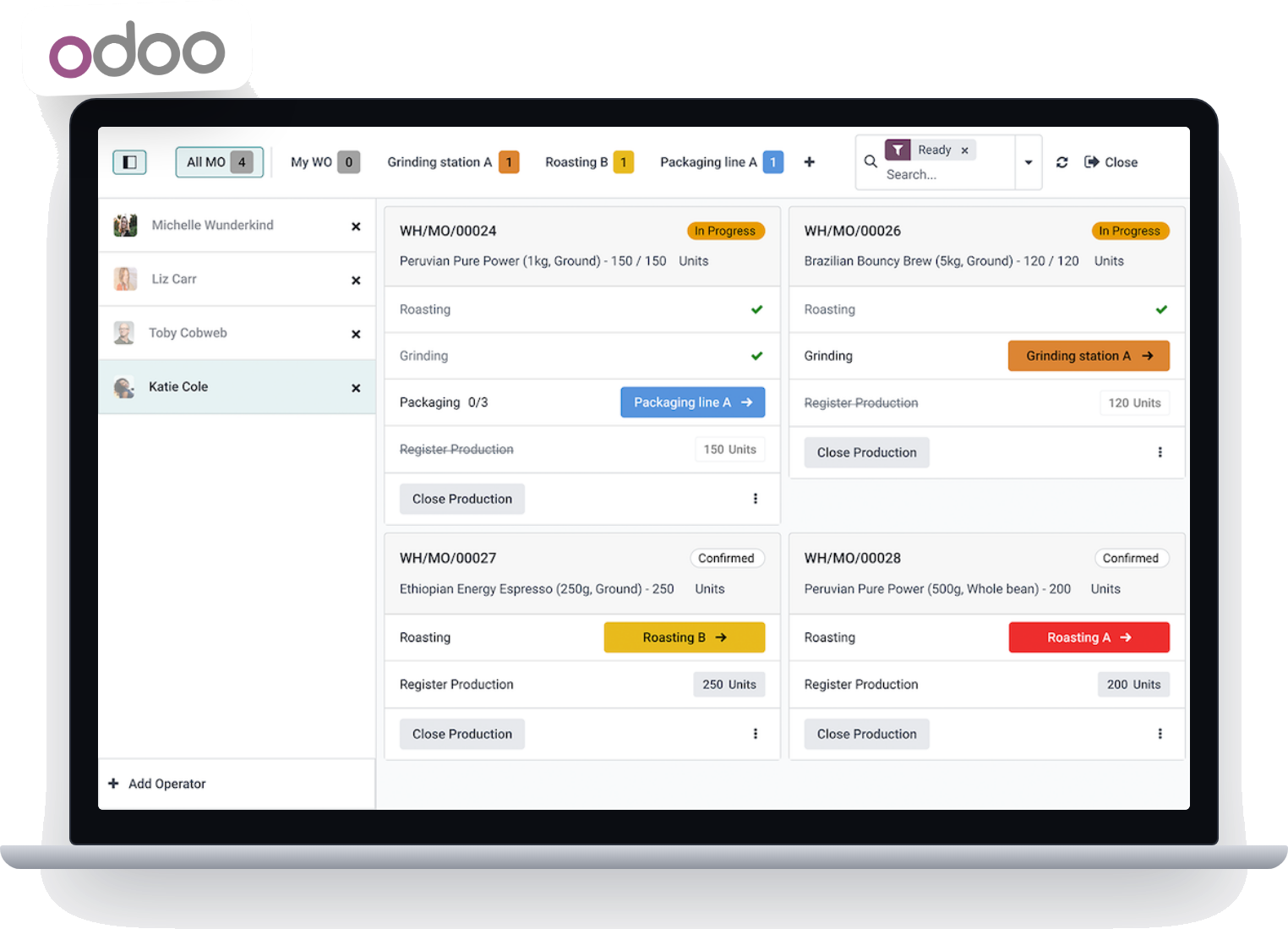
Plan material requirements, schedule production activities, record material consumption, and monitor finished goods.

Keep equipment maintained

Schedule servicing, record breakdowns, manage maintenance requests, and track spare parts used for repairs.

Keep quality records organized

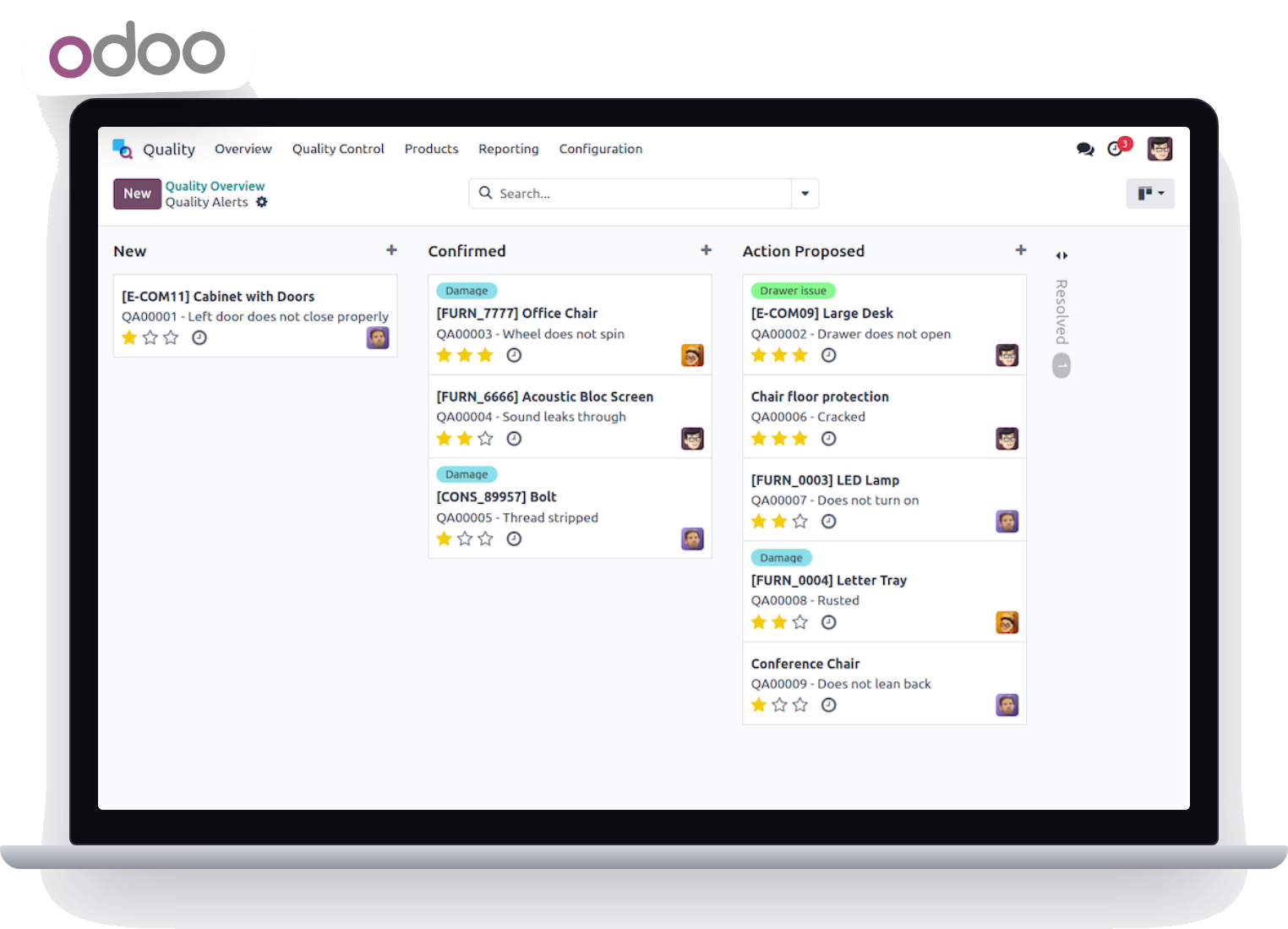
Record inspections, test results, batch information, and product specifications to support consistent quality control.

Understand costs and profitability

Track purchasing expenses, production costs, maintenance spending, project budgets, and sales performance.

Make decisions with better information

Use reports and dashboards to review business performance without manually collecting data from different teams.

3. Core Features of Our Oil & Gas ERP

Features That Support Your Actual Business Processes

Every oil and gas business has different operational needs. Our approach is to configure the oil and gas erp system around the processes that matter most to your business.

Inventory and warehouse management

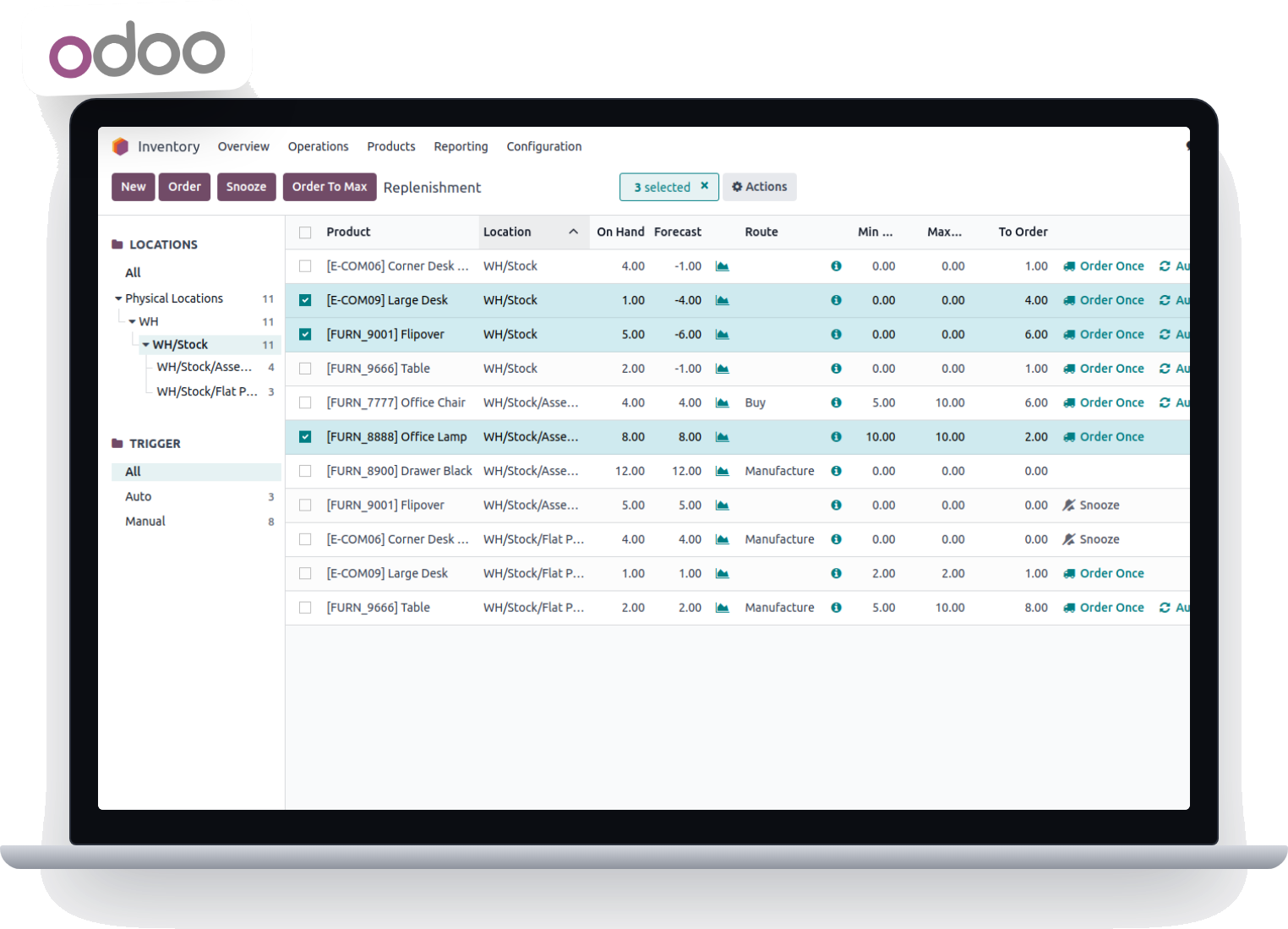
Track stock across warehouses, monitor product movements, manage batch numbers, and set replenishment rules for materials and finished goods.

Procurement management

Manage suppliers, purchase requests, quotations, approvals, purchase orders, and incoming deliveries.

Production and blending

Plan production, maintain bills of materials or formulations, record material consumption, and monitor production output where supported by the selected ERP.

Quality management

Maintain product specifications, record inspection results, document quality issues, and link quality records to relevant batches or transactions.

Equipment and maintenance management

Maintain equipment records, plan preventive maintenance, track repair work, and monitor maintenance expenses.

Financial management

Connect purchasing, sales, inventory, and operational transactions with accounting records for better financial control.

Sales and distribution

Manage customer enquiries, quotations, orders, invoicing, dispatches, and delivery-related activities.

Multi-location operations

Coordinate inventory and transactions across multiple warehouses, branches, and business locations.

Reports and dashboards

Review stock levels, purchasing activity, production performance, outstanding orders, and financial results through relevant business reports.

Workflow automation

Set up approval rules, notifications, and automated workflows to reduce repetitive tasks and improve accountability.

4. ERP Modules Covered in Our Solutions

The Modules Your Business Needs, Connected in One Place

An oil and gas erp system implementation does not have to include every available module. We identify the modules that address your current requirements and can support your future growth.

Finance and Accounting:

Manage general ledger, accounts payable, accounts receivable, bank reconciliation, budgets, and financial reporting.

Purchasing and Supplier Management:

Handle supplier records, quotations, purchase orders, approval workflows, and delivery tracking.

Inventory and Warehouse Management:

Manage stock quantities, warehouse transfers, receipts, dispatches, stock adjustments, and batch information.

Sales and Customer Management:

Track customer enquiries, quotations, orders, pricing, invoicing, and customer records.

Manufacturing and Production:

Plan production, manage material requirements, record work orders, and track material consumption and output.

Quality Management:

Maintain inspection records, quality checks, product specifications, and non-conformance reports.

Maintenance and Asset Management:

Track equipment, schedule maintenance, manage repair requests, and record spare parts usage.

Project Management:

Monitor project tasks, resources, budgets, purchasing, and actual costs.

Human Resources and Payroll:

Manage employee records, attendance, leave, payroll, and workforce information.

Logistics and Distribution:

Coordinate dispatches, deliveries, stock transfers, and transportation-related activities.

Reporting and Analytics:

Generate operational reports and dashboards to help management monitor business performance.
The exact modules and features will depend on the oil and gas erp system platform, business requirements, and any additional customization or integrations needed.

5. Businesses That Can Use Our Oil & Gas ERP Solution

ERP for Different Types of Oil & Gas Businesses

A lubricant manufacturer’s requirements differ from those of an oilfield contractor or petroleum distributor. The oil and gas erp system should reflect those differences.

Lubricant Manufacturers and Blending Companies

Manage raw materials, formulations, blending schedules, production batches, packaging, quality checks, and finished goods.

Petroleum Trading and Distribution Companies

Track purchases, sales contracts, stock availability, pricing, customer orders, invoices, and distribution activities.

Marine Lubricant Suppliers

Manage product availability, warehouse stock, customer orders, deliveries, and supply coordination across ports and locations.

Oilfield Service Companies

Coordinate equipment, spare parts, service requests, field teams, supplier purchases, and service-related costs.

Oil and Gas Equipment Suppliers

Manage equipment catalogs, spare parts inventory, purchasing, sales orders, warehouse operations, and customer requirements.

Oil Storage and Terminal Operators

Monitor product receipts and dispatches, stock reconciliation, storage-related records, and commercial transactions. Specialized tank gauging and terminal control systems may require separate integration.

Engineering and Project-Based Companies

Manage project budgets, procurement, material requirements, subcontractors, equipment, and project expenses.

Industrial and Specialty Chemical Suppliers

Track chemical inventory, purchasing, product batches, quality records, sales, and distribution.

6. Why Partner with Commerce9 for Your Oil & Gas ERP?

An ERP Solution Built Around Your Business

An ERP system should fit how your business works, not force your team to follow processes that don’t make sense for your operations.

At Commerce9, we begin our practical oil and gas erp system implementation by assessing your current challenges and identifying where better workflows, automation, and connected data can make a difference.

Our focus is simple: help your team spend less time managing disconnected information and more time running the business.

We start with your requirements

We review your existing processes, systems, and operational challenges before defining the implementation scope.

We focus on the right modules

We identify the oil and gas erp system modules that meet your business needs, without adding unnecessary complexity.

We customize where needed

When standard functionality does not meet your requirements, we assess suitable customizations, reports, approval workflows, and integrations.

We plan data migration carefully

We prepare and map relevant business data before migration. Testing and reconciliation verify the results.

We connect your business systems

Where technically supported, we integrate ERP with existing applications to reduce duplicate data entry and improve information flow.

We support the rollout

We assist with configuration, testing, user training, deployment, and post-launch improvements based on the project scope.

We plan for future requirements

We consider your expected growth, additional locations, reporting needs, and future integrations when planning the solution.

7. Core ERP Modules for Oil & Gas

Essential Modules for Managing Oil & Gas Operations

Some oil and gas erp system modules are particularly important for oil and gas companies because of the value of their inventory, equipment, projects, and operational resources.

Asset and Equipment Management

Maintain equipment records, service schedules, maintenance history, spare parts requirements, and repair costs.

Procurement and Materials Management

Manage supplier relationships, material requests, purchasing approvals, purchase orders, and goods receipts.

Inventory and Warehouse Management

Track raw materials, chemicals, consumables, lubricants, spare parts, and finished goods across storage locations.

Production and Blending Management

Coordinate production plans, material requirements, formulations, work orders, and batch output.

Quality and Compliance Records

Maintain inspection reports, test results, product specifications, incident records, and relevant supporting documentation.

Project and Job Costing

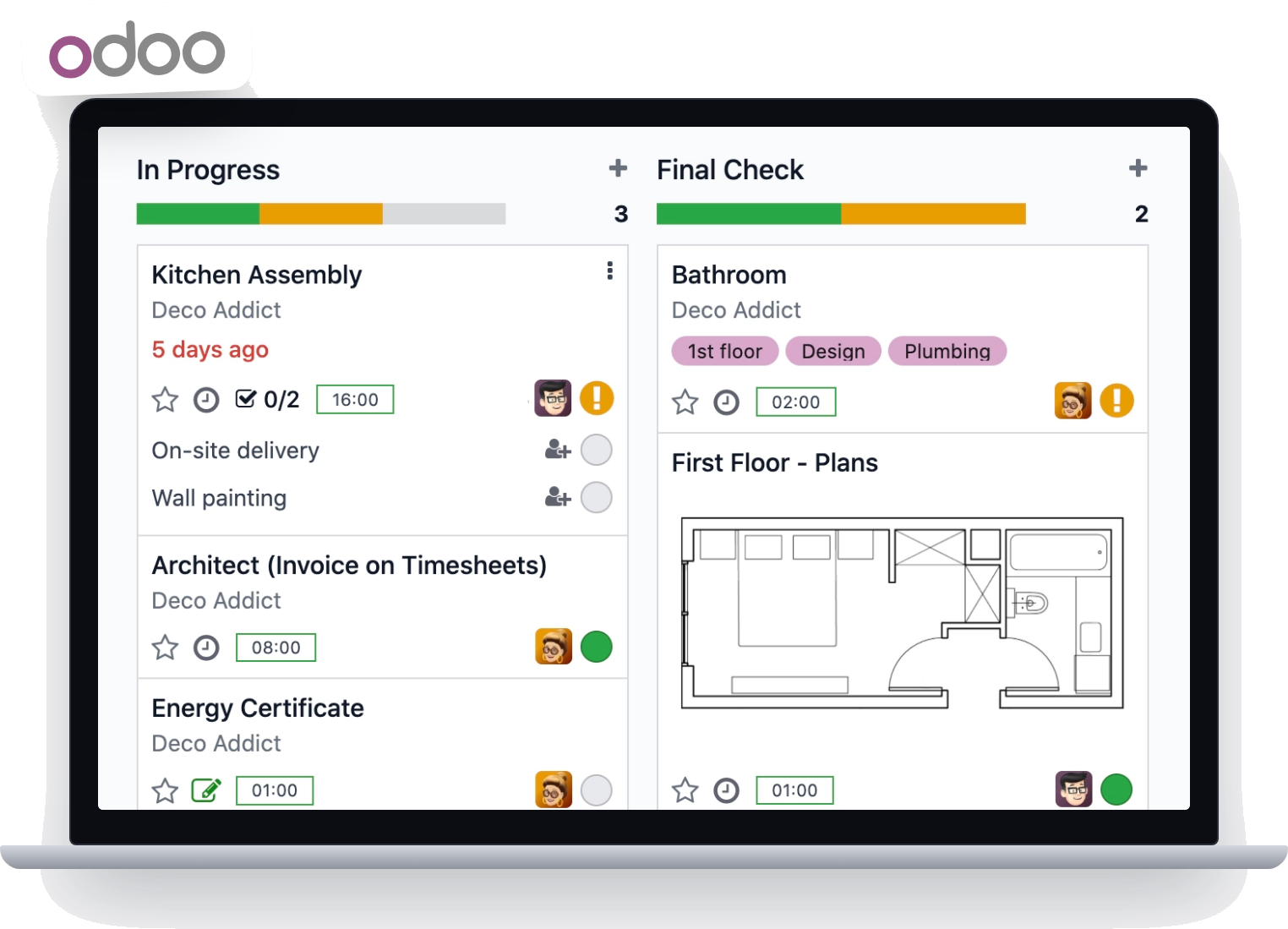
Track project budgets, purchasing expenses, labor costs, equipment usage, and actual costs against planned budgets.

Finance and Accounting

Monitor business expenses, cash flow, payables, receivables, asset values, and financial performance.

Sales and Distribution

Manage customer orders, product pricing, dispatches, delivery documentation, and invoicing.

Workforce Management

Maintain employee records, attendance, shift information, training records, and workforce allocation where required.

Management Reporting

Bring relevant business information together to review performance, identify delays, and make informed decisions.
Specialized capabilities such as drilling activity management, permit-to-work systems, predictive maintenance, and hydrocarbon accounting may require dedicated applications or additional development.

8. Key Functionalities of an Oil & Gas ERP System

What Should Your ERP System Be Able to Do?

The right oil and gas erp system helps your team manage daily transactions while keeping important operational records connected.

These capabilities can help improve coordination and reduce manual work. Their availability depends on the selected ERP platform and implementation scope.

Track inventory movements:

Record goods receipts, warehouse transfers, stock issues, dispatches, and adjustments.

Manage purchasing approvals:

Route purchase requests and orders to the appropriate people based on agreed approval rules.

Monitor material requirements:

Identify materials needed for production, maintenance, and other business activities.

Track production batches:

Connect material consumption, production output, and quality records for relevant products.

Schedule maintenance activities:

Create maintenance plans, work orders, and service histories for equipment.

Manage supplier and customer transactions:

Follow purchase orders, sales orders, invoices, and outstanding payments.

Monitor project expenses:

Compare planned budgets with actual costs and track expenses against projects or jobs.

Maintain traceability:

Link relevant material, batch, inspection, and transaction records for easier investigation.

Automate routine tasks:

Use notifications, approval workflows, and scheduled activities to reduce manual follow-ups.

Generate operational reports:

Review inventory, purchasing, sales, production, maintenance, and financial performance.

Control user access:

Assign permissions according to job roles and business responsibilities.

Integrate with other systems:

Exchange information with compatible business applications through supported integrations.

9. Benefits of an Oil & Gas ERP System

A Clearer View of Your Business, From Purchasing to Delivery

When business information is spread across spreadsheets, emails, and separate applications, it takes time to understand what is happening. An oil and gas erp system helps bring that information together.

Less manual work

Automated workflows reduce repetitive manual data entry and the need to follow up on every transaction.

Better stock control

More accurate inventory records give teams clarity on what is available, what is being used, and what needs to be ordered.

Improved planning

Access to purchasing, production, and maintenance information makes resource planning more effective and easier for teams.

Better cost visibility

Connected operational and financial records make it easier to review expenses and identify areas that need attention.

More consistent quality records

Organized inspection and batch information helps teams investigate quality issues and maintain relevant records.

Faster access to information

Teams can find transaction details and operational reports without collecting information from multiple departments.

Better coordination between teams

Purchasing, warehouse, production, sales, and finance teams can work from shared information.

More informed decisions

Management reports provide a clearer picture of business performance and help identify areas for improvement.

Room to grow

A well-planned ERP system can support additional products, warehouses, locations, and workflows as the business expands.

10. ERP for Different Oil & Gas Segments

ERP That Reflects Your Place in the Industry

Oil and gas businesses do not operate the same way. Oil and gas erp system requirements vary based on whether a company manufactures products, supplies equipment, provides field services, or manages distribution.

Upstream: Exploration and Production

An oil and gas erp system supports procurement, equipment maintenance, inventory, contractor management, project expenses, and financial reporting. Drilling and production systems may need to be integrated separately.

Midstream: Storage and Transportation

Manage inventory, purchasing, maintenance, logistics costs, supplier contracts, and warehouse or terminal-related transactions. Pipeline monitoring and specialized measurement functions may require dedicated systems.

Downstream: Refining and Distribution

Coordinate procurement, production, quality checks, finished goods, inventory, sales, distribution, and accounting.

Oilfield Services

Manage equipment, spare parts, work orders, service contracts, field resources, project costs, and maintenance activities.

Petroleum Trading

Track purchases, sales contracts, supplier and customer transactions, product availability, pricing, invoicing, and profitability.

Lubricant Manufacturing

Manage raw materials, formulations, blending, production batches, packaging, quality testing, and finished goods.

Marine Lubricant Supply

Coordinate inventory, purchasing, customer requirements, warehouse transfers, deliveries, and sales across multiple locations.

Engineering and EPC Projects

Manage project budgets, purchasing, material allocation, subcontractors, equipment, and project progress.

The implementation should focus on the processes that matter to your segment, with additional applications or integrations where standard ERP functionality is not sufficient.

11. Oil & Gas ERP Rollout Process

A Practical Approach to ERP Implementation

A successful oil and gas erp system rollout requires more than installing software. The system must be configured around your business, existing data must be checked, and users should be comfortable with the new workflows.

01. Understand Your Business

We discuss your current processes, challenges, existing systems, and goals to establish a clear implementation scope.

02. Plan the Solution

We identify the required modules, customizations, integrations, resources, and project milestones.

03. Configure and Customize

We configure the selected ERP platform and develop agreed workflows, reports, and additional functionality where required.

04. Prepare and Migrate Data

We review existing data, map relevant fields, clean necessary records, and do trial migrations before final validation.

05. Test the Workflows

We test business scenarios such as purchasing, goods receipt, inventory movements, production, invoicing, and financial transactions as applicable.

06. Train Your Team

We help users understand their responsibilities and practice the workflows relevant to their roles.

07. Go Live

After approval, we deploy the solution, validate critical processes, and monitor initial transactions.

08. Support and Improve

Following launch, we address issues and identify improvements based on actual usage and changing business needs.

Factors such as implementation scope, number of locations, data quality, integrations, and customization requirements determine each stage’s implementation duration.

12. Manage Your Oil & Gas Business with ERP

Bring Your Business Operations Together

From purchasing and inventory to production, maintenance, and accounting, your teams need accurate information to keep daily operations moving.

Commerce9 assesses your existing processes and identifies an oil and gas erp system solution that fits your business requirements. We work with you to define the right scope, configure the necessary workflows, and plan an implementation that supports your operational goals.

Whether you want to improve stock control, manage lubricant production, coordinate distribution, or connect business systems, the first step is understanding where your current processes can work better.

Let’s discuss what your business needs from ERP.

Contact Commerce9 to explore the modules, integrations, and implementation approach suited to your operations.

Let’s warmly initiate our interaction!

Complete the form, and our experts will reach out to guide you in launching or enhancing your eCommerce business effectively.

    © Commerce9, 2019-2026. All rights reserved.